





Neither machines nor free weights are better for hypertrophy by nature. Machines keep the tension and isolation steady and lower the danger of injury. Free weights, on the other hand, work more stabilizing muscles and let you do compound motions.
To get the best muscular growth, use both free weights and machines. Do compound exercises with free weights when you’re fresh, and then switch to machines for isolation training when you’re tired.
This mix of methods gets the most out of your muscles while keeping you from getting too tired. It’s the best way to change your body.
How Machines and Free Weights Stimulate Muscle Growth Differently
Both machines and free weights can help you grow muscle, but they do it in very different ways. Machines help you move along set courses, keeping certain muscles tense throughout the whole range of action. This focused strategy can help lagging muscle groups get the most out of their exercise.
On the other hand, free weights work a lot of stabilizing muscles because you have to regulate the weight in three-dimensional space. This recruitment of more muscle fibers often leads to more overall muscular activation, especially in compound motions.
Your body has to work harder to keep the resistance balanced and under control, which may lead to more complete muscular growth.
The best way to get hypertrophy might be to combine both types of training in a way that takes advantage of their unique growth-promoting effects.
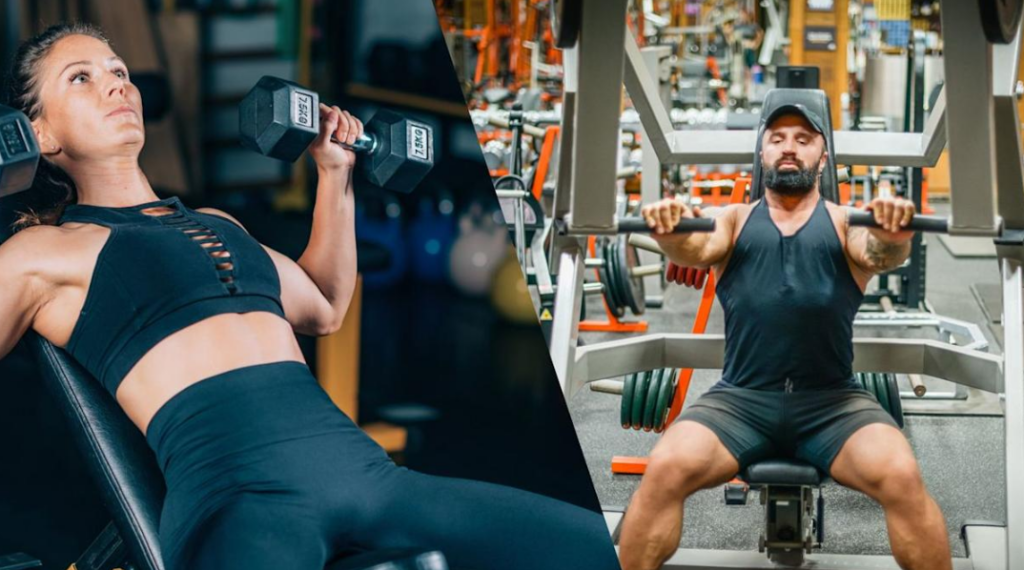
Scenarios Where They Outperform Free Weights
Hardcore lifters often say that machines are less effective than free weights, although they have several clear advantages that make them better than free weights in some instances. Machines are especially useful for safely training to failure because they don’t need spotters and put less stress on your joints during long sets.
Weight machines are ideal for newcomers learning correct exercise mechanics and for aging athletes seeking a safer way to maintain strength with reduced injury risk. They are also great for isolating certain muscles that free weights can’t reach well. Machines let you move in a controlled way that protects recovering tissues while still encouraging muscle growth.
Finally, machines are great for metabolic training when you’re tired and can’t keep your form, because they give you solid ways to build muscle without the need for barbells and dumbbells.
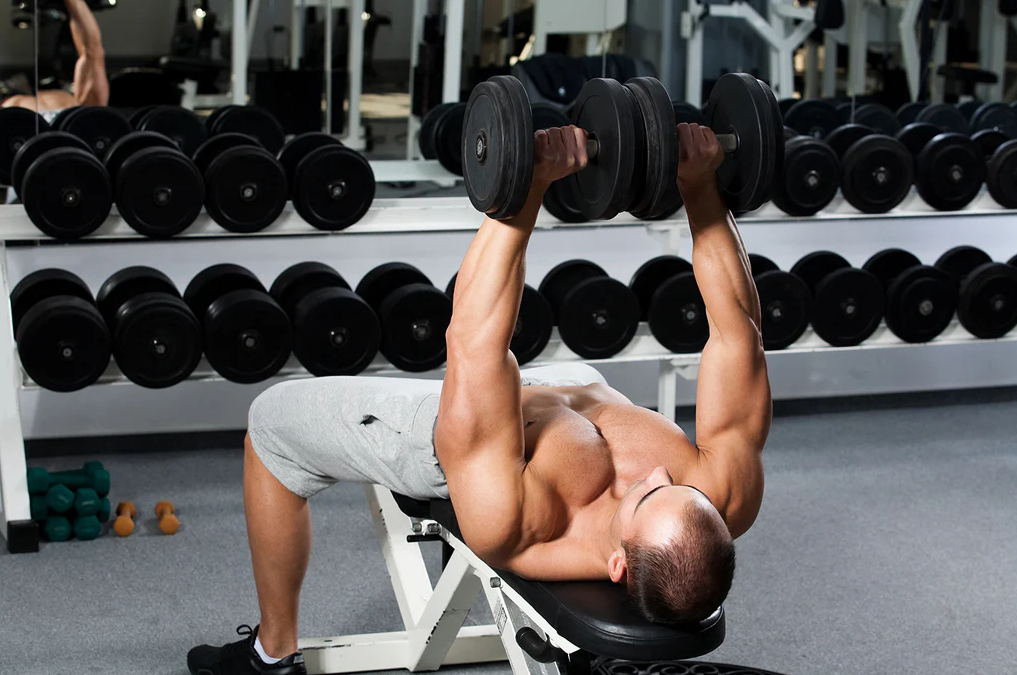
When to Use Free Weights to Help You Build More Muscle
In certain training situations that are best for building muscle, free weights always work better than machines. They’re better for compound workouts like squats, deadlifts, and bench presses that work more than one muscle group at a time, which leads to more total hypertrophy.
For functional strength training that matches motions in the real world, free weights are the best choice since they build muscle that works outside of the gym. They are perfect for progressive overload because they let you make little changes to the load that keep challenging your muscles. When you want to fix muscle imbalances, use free weights instead of machines.
Free weights need stabilizer activation that machines typically don’t provide. As recovery permits more frequent workouts, incorporating free weights lets you isolate and train individual muscles more often safely, avoiding undue stress.
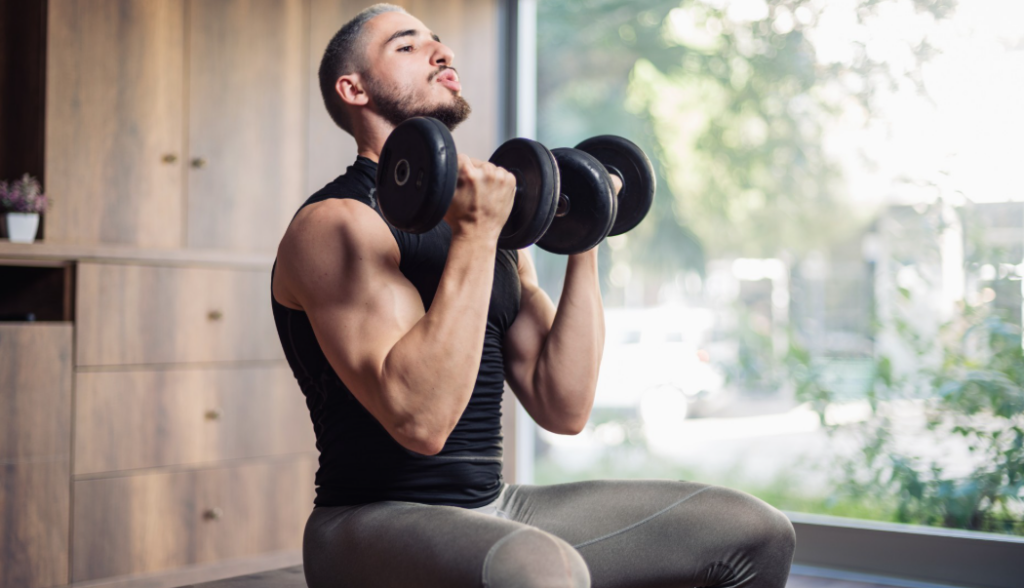
How to Get the Most Hypertrophy by Using Both
A planned mix of machines and free weights is typically the best way to get the most hypertrophy results because neither type of equipment can improve all elements of muscle growth on its own.
If you’re new or in need of stability and control, you might choose to use free weights for compound exercises at the beginning of your workout. Then, as you start to get tired, you can switch to machines for isolation training.
This mix of exercises lets you do the most training volume without losing form. You may start with heavy barbell squats to build general strength and end with leg extensions to really wear out your quadriceps.
Both of your resistance training items have different uses in your workout. For strength, free weights usually perform best in the 5–10 range, while machines let you do pure hypertrophy work more safely in the 8–15 range.
How to Make the Best Machine/Free Weight Split for You
Now that you know why mixing both types of training is good, let’s talk about how to set up a machine/free weight split that will help you reach your goals. When you plan your hybrid program, think about starting your sessions with free weight compound movements when you’re fresh and ending with machine training to push your muscles to their limits safely.
The 3-day push/pull/legs split is a tried-and-true method:
- Push: machine chest fly, barbell bench press, and overhead dumbbell press
- Pull: machine pulldowns, cable rows, and weighted pull-ups
- Legs: seated leg curls, leg press machine, and barbell squats
This framework makes the biomechanics of exercise better by letting free weights establish basic strength while machines let you focus on one area without having to stabilize as much.