





Sports leagues use drug testing to prevent unfair advantages by banning substances like anabolic steroids, human growth hormones, and blood-doping agents. You can be tested randomly, in-competition, or out, with accredited labs analyzing your urine and blood samples.
Fail a test, and you’re facing suspensions, stripped titles, or lost sponsorships. Each league enforces its own rules through structured sanctions. There’s much more to how these systems actually work.
What Counts as a Performance-Enhancing Drug?
When discussing drug testing in sports leagues, it’s important to understand what actually qualifies as a performance-enhancing drug (PED). You’ll find that PEDs include anabolic steroids, human growth hormone, stimulants, and blood-doping agents. These substances artificially boost strength, endurance, or recovery beyond natural limits.
Drug testing exists to protect fair athlete participation across all competitive landscapes, from mainstream professional leagues to bodybuilding competitions. Each governing body maintains its own prohibited substance list, so one sport may ban substances that another allows.
You should also know that some substances are context-dependent, meaning regulators only prohibit them during competition. Understanding these distinctions helps you recognize why performance-enhancing drugs remain a central concern for organizations committed to maintaining integrity across every level of competitive sport.
What Happens When an Athlete Fails a Drug Test?
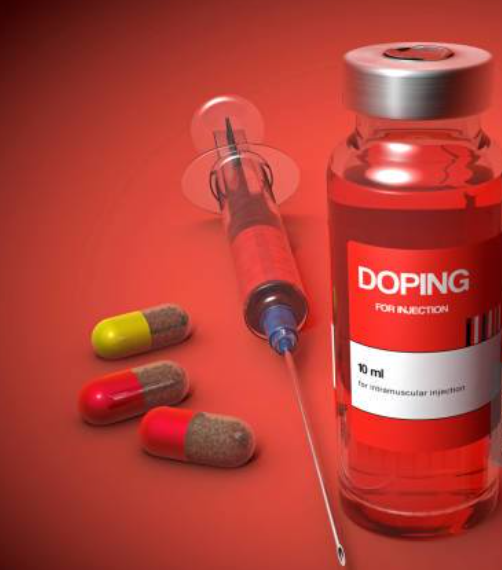
The consequences aren’t always small, but they are always serious in sports and organizations. Most of the time, you’d be suspended, lose your titles, and lose your prize money. Repeated violations can end jobs for good.
Competitions like the bodybuilding season of 2026 have tougher drug tests because the sport is getting bigger. If you fail a test, you lose more than just your title. You also lose the chance to qualify for competitions, get support, and compete in the future.
Most organizations have an organized way of punishing people who break the rules. People who break the rules just once might get a shorter ban, but people who break the rules more than once will be banned forever. In the end, testing positive means that everything you’ve worked for is in danger.
How Sports Leagues Actually Test for Banned Substances?
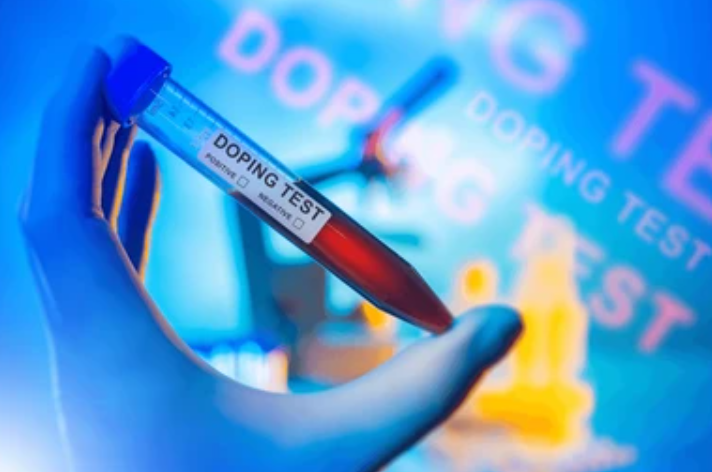
Drug testing isn’t as easy as just taking a sample and waiting for the results. It’s a multi-step process meant to catch both actual use and attempts to hide it. Drug tests can happen during competition or at random when you’re not competing, which makes it harder to plan when to use drugs. Leagues get samples of blood and pee and send them to approved labs to be analyzed.
In bodybuilding shows, athletes who fail tests can lose their chance to compete in the future. Testers also use longitudinal profiling, which means they keep track of your biological data over time to look for strange trends, even if they don’t find specific banned substances right away.
It is important to understand this process because it affects how seriously leagues take fairness and how much clean players can trust the results.

Why the NFL, NBA, and MLB Don’t All Play by the Same Rules?
Even though the NFL, NBA, and MLB are all big American professional sports leagues, they have very different rules about drug testing, and this isn’t a mistake.
Collective bargaining is how each league sets its rules. The players’ union decides what to test, how often to test it, and what the consequences are. To keep athletes from getting unfair benefits in a sport where strength is important, the NFL tests players for performance-enhancing drugs very thoroughly. The NBA puts recreational drug rules first.
After steroid incidents in the past, the MLB has been under a lot of pressure to make its competitions more honest. These leagues show off the unique history and culture of each sport, similar to how global bodybuilding controls drugs to protect athletes’ jobs and fair play.
You’ll notice that they don’t all follow the same rules. Figuring out why this is shows that drug testing isn’t really a one-size-fits-all process.
How Athletes Try to Beat Drug Tests and How Leagues Are Catching Up
It’s one thing to understand why different leagues don’t use the same set of rules; it’s another thing to understand how players take advantage of those differences. You may have heard of athletes’ tricks like microdosing, masking agents, and strategic timing to avoid drug tests and keep their unfair benefits. Some change the amount of hydration, while others take advantage of detection windows. Competitors and security officers are always playing chess.
Leagues don’t stay the same, though. They’re spending money on better testing tools, making it harder to find problems, and doing more testing that isn’t involved with the competition. It’s harder to cheat now that blood passports keep track of biological signs over time.
Not only is there competition on the field, but there is also competition in the labs. Leagues are closing holes faster than ever as athletes find new ones.