





You can’t count on your teammates to make up for your inadequacies. You’ll need different training methods for each sport. You have to learn everything about technical, physical, and mental skills by yourself, unlike team athletes.
You need to carefully tailor your training program, use specialist mental conditioning to deal with being alone during competitions, and come up with advanced ways to avoid injuries caused by doing the same exercises over and over again.
You need to prepare in a whole new way to deal with the mental stress of performing alone, which will give you a competitive edge.
How Individual Sports Training Differs From Team Sports
When you train for individual sports, you have to deal with problems that are completely different from those that team sport athletes confront because your performance is entirely up to you. In a team setting, everyone shares responsibility, but you need to learn how to be completely independent in all three areas: technical, physical, and mental.
Because you don’t have a teammate to make up for your inadequacies, your training methods need to be quite specific. The psychological demands get a lot worse. You can’t count on other people to keep you going or motivate you when you’re under pressure to compete. This seclusion requires a level of mental conditioning that team players don’t often get.
Personalized training is important since your unique biomechanics, movement patterns, and adaptation rates have a direct effect on the results. You need to be extra careful about preventing injuries because you’re doing the same sport-specific actions over and over again without the natural variety that team sports bring.
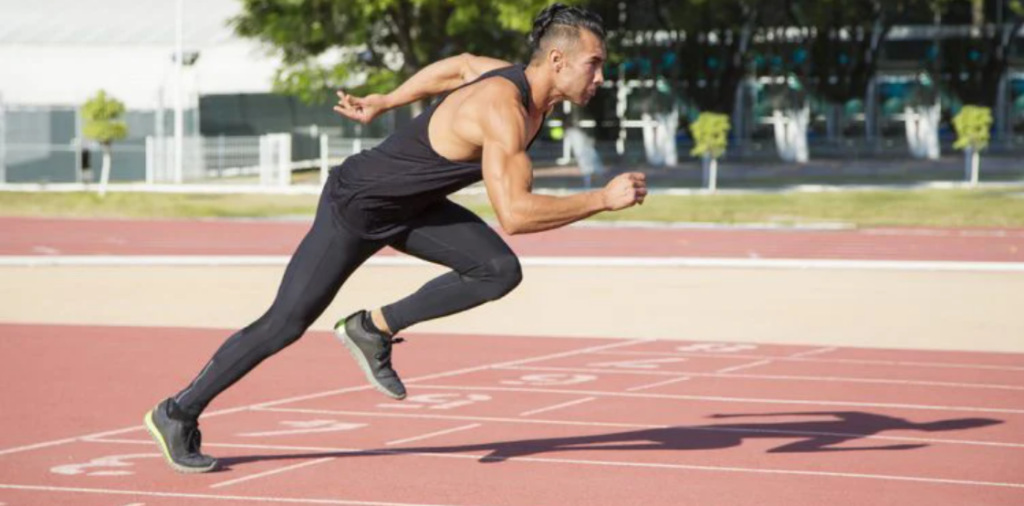
Important Parts of Physical Training for Solo Athletes
As a solo athlete, your physical preparation must have four interrelated parts that directly affect how well you perform. These parts come based on your individual training needs.
Strength and Power Development is the base of your training. It requires sport-specific resistance training that simulates the actions of competition. You need to keep your technical precision up while balancing your maximum strength with your explosive power during each exercise.
Your cardiovascular conditioning needs to be in line with the energy needs of your sport. Sprinters and endurance athletes require different adaptations, so athletes must follow tailored training to achieve peak performance.
Mobility and flexibility help with technical execution and keep you from being hurt. Your training should focus on dynamic movement patterns that help you move more freely.
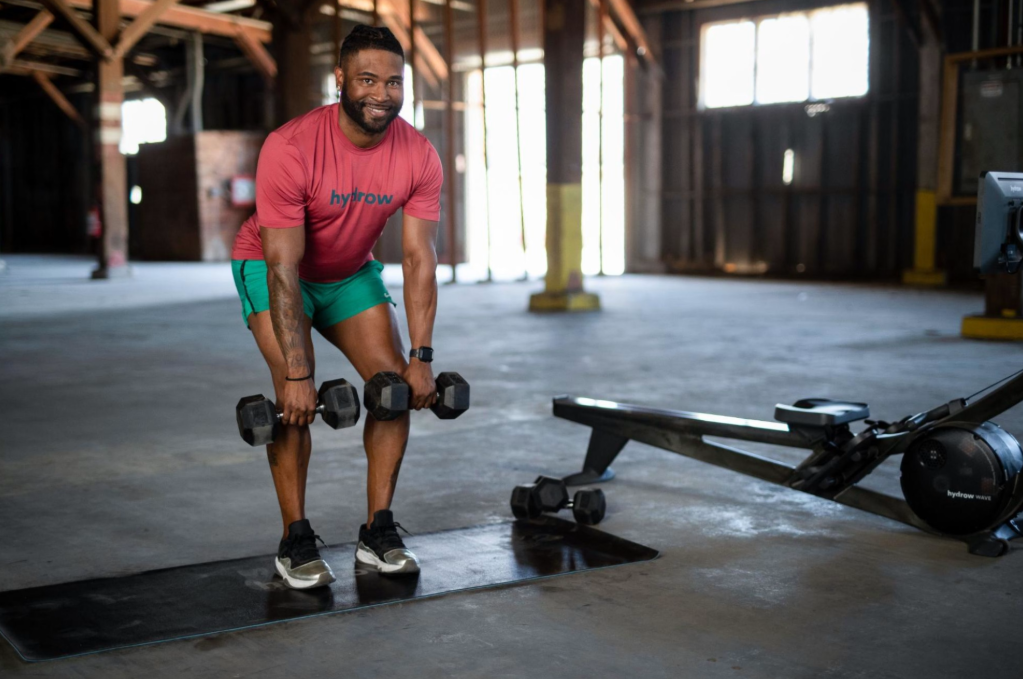
How to Train Your Mind for Individual Sports Performance
Since your physical preparation is the basis for top performance, it’s just as important to build mental toughness if you want to achieve without teammates to share the burden of competition.
Individual sports put a lot of mental and emotional burden on athletes, so they need specific coaching approaches that help them deal with that stress. You will need to use visualization techniques, pre-performance routines, and pressure training scenarios to help you stay focused all the time.
Your skill specialization requires you to perform consistently under stress, which means that mental conditioning and technical improvement go hand in hand. When you add cognitive tactics like self-talk, breathing exercises, and concentration exercises to your everyday training, you are adapting your performance.
These mental techniques become automatic reflexes during competition, letting you stay technically accurate when you’re alone, under a lot of pressure, and fully responsible for your performance.
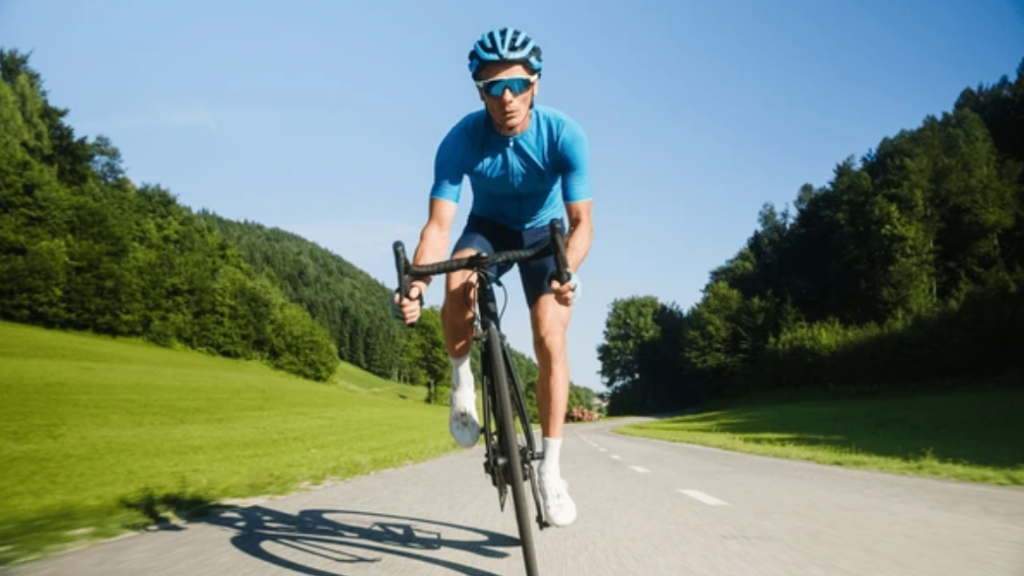
Making Your Own Sports Training Schedule
Once you’ve built a strong base for your mental training, you’ll need to make a periodized training regimen that keeps your body in shape while also improving your skills and avoiding burnout.
Your routine should put biomechanical work at the top of the list during times when you aren’t too tired, and motor learning is most effective. Break up your training into phases that focus on different things, like developing strength, improving your technical skills, and getting ready for competition.
Keep a close eye on how much you train each week, and change the loads based on how well you adapt and how well you perform. As competition gets closer, it’s important to moderate your intensity so you can stay sharp without being too tired. Add rest blocks between high-intensity stages so your body can adjust and make improvements.
You need to be able to change your schedule to fit the different ways that people respond, but you also need to have the structure that will help you make steady progress toward peak performance windows.
Advanced Recovery And Peak Performance Strategies
Your foundation focuses on technical proficiency and systematic training, but to reach your peak performance, you need advanced recovery techniques that go beyond just taking breaks. When you do the same sports skills over and over again, your body adjusts in different ways. You need unique healing methods.
Do active recovery workouts that are similar to your competitive movement patterns but at lower intensities. It keeps brain connections open while increasing blood flow to muscles that have been worked too much. Plan deload weeks every so often, where you cut back on training volume by 40–50% but keep the same number of technical practice sessions.
To find the best times to train, keep an eye on biomarkers like heart rate variability and sleep quality. Think about using contrast treatment, which combines hot and cold exposure, to speed up the clearance of metabolic waste from tissues that are stressed by repetitive actions.
When recovery becomes as structured and personalized as your technical training plans, you reach your peak performance.