





As you build more muscle and become stronger, recovery can start to feel different. The weights get heavier, workouts become more demanding, and the same training routine that worked when you were smaller may no longer feel as manageable. It’s not necessarily because your body is recovering more slowly, but because you’re asking it to handle greater training stress.
For bigger bodybuilders, recovery involves more than waiting for muscle soreness to disappear. Joint health, connective tissue adaptation, nutrition, hydration, and sleep all influence how well you perform between sessions. The challenge is finding the right balance between training hard enough to make progress and giving your body enough time and resources to adapt.
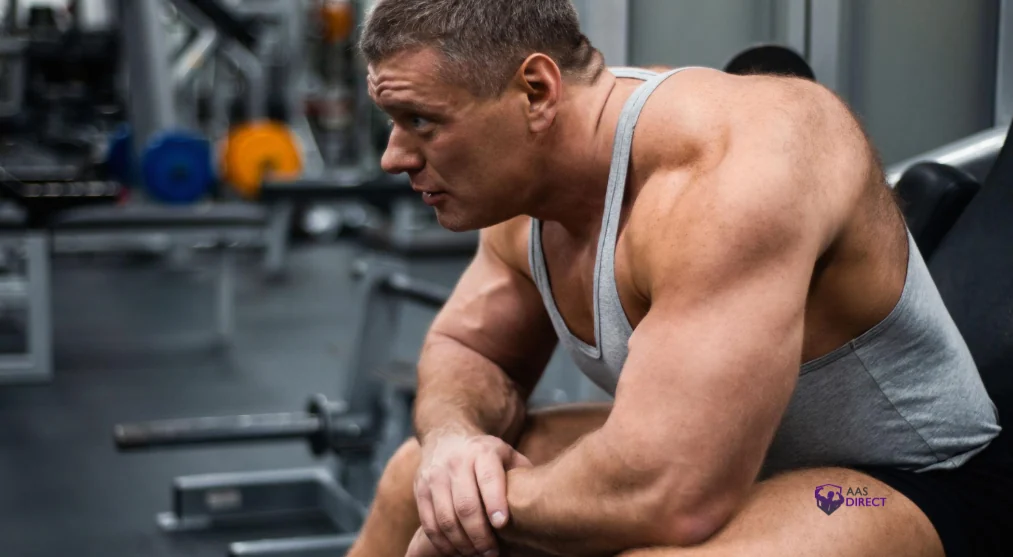
Why Bigger Bodies Can Take Longer to Recover
As athletes gain size and strength, they often begin lifting heavier weights and performing more demanding workouts. That increased workload places greater mechanical stress on muscles, joints, and connective tissues, particularly during compound movements such as squats, deadlifts, and heavy presses.
Think about how different a heavy leg session feels when you’re squatting significantly more weight than you did a few years ago. Even if your overall training volume hasn’t changed much, the absolute loads you’re handling may be considerably higher. This can make fatigue management more challenging, especially when several demanding sessions are scheduled close together.
However, body size alone doesn’t determine recovery speed. A well-conditioned heavyweight bodybuilder may recover more efficiently than a smaller athlete who isn’t accustomed to the same training demands. What matters is how much stress you’re creating relative to your ability to tolerate and recover from it. As your strength increases, your training and recovery habits may need to evolve alongside it.
Why Joints and Connective Tissue Need More Attention
One issue experienced bodybuilders often encounter is that their muscles may feel ready for another workout while their joints or tendons still feel uncomfortable. This can become particularly noticeable when strength increases rapidly or training volume rises.
Tendons and ligaments help transfer and manage force during resistance training. Although these tissues adapt to mechanical loading, their adaptations don’t always occur at the same rate as improvements in muscular strength. That means increasing the weight too aggressively can sometimes create more stress than the surrounding tissues are prepared to tolerate.

Exercises such as squats, deadlifts, lunges, and loaded carries place substantial demands on multiple joints. For heavier athletes, bodyweight can also contribute to the mechanical load during movements that require supporting or moving their own mass.
This doesn’t mean larger bodybuilders should avoid heavy compound lifts. It means exercise selection, technique, training volume, and progressive overload become increasingly important. If your muscles feel recovered but your elbows, knees, or shoulders remain irritated, adding more heavy sets may not be the best approach. Persistent discomfort is worth addressing instead of automatically pushing through it.
Does Greater Muscle Mass Increase Inflammation?
It’s common to hear that bigger athletes experience more inflammation because they have more muscle tissue to repair. However, the relationship between body size and post-exercise inflammation is more complicated than that.
Resistance training naturally creates mechanical and metabolic stress, and the body responds through processes involved in tissue repair and adaptation. Some degree of inflammation is a normal part of this response. Having more muscle doesn’t automatically mean inflammation will last longer or that the body becomes less efficient at recovering.
Training intensity, unfamiliar exercises, total volume, sleep quality, and nutrition can all influence how you feel after a workout. A larger athlete who is accustomed to heavy training may experience less soreness than a smaller lifter performing a demanding exercise for the first time.
The bigger concern is accumulated fatigue. If you’re consistently increasing your workload without enough recovery, performance may eventually decline. Instead of blaming inflammation or body size alone, it’s more useful to examine whether your current training demands match your recovery capacity.
How Protein, Hydration, and Sleep Affect Recovery
Nutrition becomes especially important as bodybuilders gain more size. Larger athletes often require more total calories and protein to maintain their body mass and support demanding training sessions. Protein provides the amino acids needed for muscle maintenance and growth, while carbohydrates help replenish glycogen used during resistance training.
For most exercising individuals, the International Society of Sports Nutrition recommends approximately 1.4–2.0 grams of protein per kilogram of bodyweight daily, although individual requirements vary. This means a heavier athlete may need substantially more protein in absolute terms than a lighter athlete using the same relative target. However, eating enough overall calories is just as important. Consistently under-eating can make it harder to maintain performance and recover from demanding workouts.
Hydration is another factor that shouldn’t be overlooked. Larger athletes may lose more fluid during exercise, particularly when training intensely or in hot environments, but sweat rates vary considerably. Instead of following an arbitrary water target, pay attention to your training conditions, thirst, and typical fluid losses.
Sleep is equally important, although bigger athletes don’t automatically need more hours simply because they carry more muscle. Most adults benefit from roughly seven to nine hours of sleep, while some athletes may need additional rest depending on their workload and individual circumstances. Poor sleep can affect energy, concentration, and training performance, making it harder to maintain consistent progress.
Recovery Strategies That Make Sense for Larger Athletes
One of the most useful adjustments bigger bodybuilders can make is managing training volume more carefully. As strength increases, heavy working sets may become more demanding, so constantly adding more exercises and sets isn’t always the best route to progress. Sometimes reducing unnecessary volume allows you to maintain a strong training stimulus without accumulating excessive fatigue.
Exercise selection can also make a difference. Machines, supported movements, and alternative exercise variations may help maintain training intensity while managing discomfort or fatigue. For example, a chest-supported row may be useful when your lower back is already fatigued from heavy pulling, while certain machine-based leg movements can provide additional lower-body work without requiring another demanding barbell session.
Low-intensity cardio is another recovery-related habit worth considering. Walking, cycling, and other manageable aerobic activities can improve cardiovascular fitness and general work capacity. For larger athletes who spend most of their training time lifting weights, maintaining basic conditioning may make demanding sessions easier to tolerate.
Finally, pay attention to your performance rather than relying entirely on soreness. If your lifts are consistently declining, your joints remain irritated, or you’re feeling unusually tired across several workouts, your training may need adjusting. Planned rest days and lighter training periods aren’t signs of weakness. They’re tools that can help maintain progress over the long term.
Bigger Muscles Don’t Have to Mean Poor Recovery
Being a larger bodybuilder doesn’t automatically mean you’re going to struggle with recovery. The real issue is that as your physique and strength develop, your training demands often increase as well. More muscle may require greater absolute nutritional intake, heavier lifts place additional demands on supporting tissues, and demanding training schedules require careful fatigue management.
The key is making sure your recovery habits develop alongside your training. Eating enough, managing volume, maintaining conditioning, sleeping consistently, and paying attention to joint health can all help you continue progressing without constantly feeling worn down.
Getting bigger and stronger is one challenge. Learning how to recover while maintaining that size and strength is another.
For the bigger guys here, what’s been the hardest part of recovery as you’ve gained size? Do your muscles bounce back pretty quickly while your joints take longer, or is overall fatigue the bigger issue?