





Practicing solo sports is one of the most powerful investments you can make in yourself. Without teammates to lean on, you develop real self-discipline, mental toughness, and honest self-awareness. Every challenge you face alone builds confidence grounded in your own capability, not external validation.
The skills you gain, focus, resilience, and time management, naturally spill over into your work and relationships. Keep going, and you’ll discover just how transformative training alone can be.
Solo Sports Build Self-Discipline
When you step onto the court, trail, or pool deck alone, no coach is hovering over your shoulder, no teammate to compensate for your slack, and no crowd to perform for, just you and the work. That environment demands self-discipline in its purest form.
Solo sports strip away every external crutch, forcing you to develop focus and concentration that team settings rarely require. You’re responsible for showing up, pushing through fatigue, and staying mentally present. It builds genuine mental resilience. The kind forged through repeated, unglamorous effort.
Personal development accelerates when you’re accountable only to yourself. Goal setting becomes essential rather than optional, shaping how you train, measure progress, and course-correct. Ultimately, solo sports teach you to lead yourself, a skill that transfers far beyond athletic performance.

Training Alone Builds Mental Toughness Faster Than Team Sports
There’s a reason solo athletes often develop mental toughness faster than their team-sport counterparts. When you’re alone, there’s nowhere to hide. Every mistake, setback, and breakthrough belongs entirely to you. That pressure accelerates self-growth in ways team environments simply can’t replicate.
In team sports, you can lean on others during tough moments. Solo training strips that safety net away, forcing you to build genuine mental resilience. Your stress management skills sharpen because you’re constantly maneuvering through challenges without external support.
This environment also deepens self-motivation. Nobody’s pushing you forward. You either find the drive within yourself or you don’t improve. That internal discipline becomes your foundation, strengthening your ability to perform under pressure, recover from failure, and consistently show up for yourself long-term.
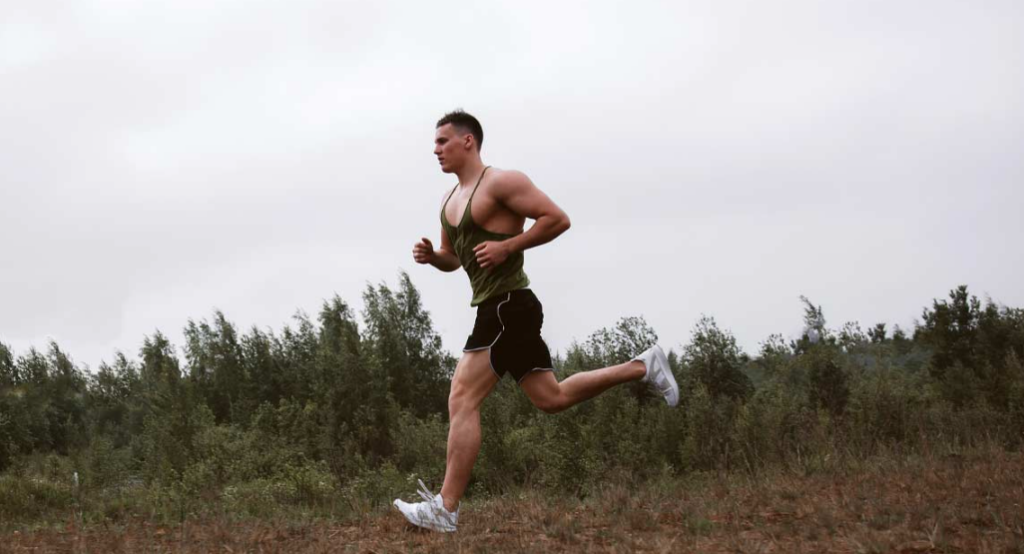
How Training Alone Makes You Radically More Self-Aware
Mental toughness isn’t the only thing that grows when you train alone. Your self-awareness sharpens just as fast. In solo sports, there’s no teammate to blame and no coach constantly guiding you. You have to evaluate what’s working and what isn’t.
That kind of radical self-honesty builds self-motivation from the inside out. You notice your weaknesses clearly, track your progress accurately, and adjust your approach without waiting for someone else’s feedback. Over time, discipline stops feeling like a rule you follow and starts feeling like a value you own.
Mental resilience naturally deepens when you’re the one making every decision. You learn your limits, but more importantly, you learn how to push past them.

How Solo Sports Build a Confidence That Actually Lasts
Solo sports build confidence through your own effort, not through a coach’s praise or a team’s momentum. It’s earned entirely by you. Every session you complete, every skill you refine, every setback you push through. That’s proof you can rely on yourself.
This kind of confidence doesn’t crumble when external validation disappears because you didn’t build it on external validation in the first place.
Through discipline and self-motivation, you develop an honest relationship with your capabilities. You know exactly what you’ve worked for, making your confidence grounded rather than fragile. Mental resilience grows alongside it.
You’ve faced difficulty alone and kept going.
That’s the foundation of real personal growth. The confidence you build through solo sports follows you far beyond training, shaping how you approach challenges in every area of life.
The Solo Sports Habits That Make You Better at Work and Relationships
The confidence and discipline you build through solo sports don’t stay on the track or in the pool. They follow you into the office and into your relationships. When you’re used to showing up for yourself through consistent training, time management becomes second nature. You learn to prioritize, structure your day, and follow through without needing someone else to hold you accountable.
Self-motivation sharpens your work ethic, while mindfulness improves how you listen and respond to others. Mental resilience helps you stay composed when deadlines pile up or conflicts arise. You don’t react impulsively. You’ve practiced staying steady under pressure.
The discipline that gets you through tough training sessions is the same discipline that makes you reliable, focused, and emotionally present in every area of life.