





Prevent overuse injuries by keeping weekly volume increases under 10% and implementing deload weeks every fourth cycle. Start each workout with five minutes of light cardio followed by dynamic mobility targeting hips, shoulders, and spine.
Focus on compound movements like squats and deadlifts while adding unilateral exercises to address imbalances. Spend five minutes daily on dynamic stretching and foam rolling after sessions. Prioritize 7-9 hours of sleep and monitor fatigue levels consistently. Master these fundamentals to access advanced injury-proofing strategies.
Smart Training Loads That Prevent Overuse Injuries
When you consistently push your body beyond its recovery capacity, overuse injuries become inevitable, but smart training loads can keep you training productively for years. Effective overuse prevention starts with monitoring your weekly volume increases, keeping them under 10% to allow proper tissue adaptation. You’ll need structured recovery protocols that include deload weeks every fourth training cycle, giving your tendons and joints time to rebuild.
Regular injury risk assessment helps identify early warning signs like persistent soreness or declining performance metrics. Watch for developing muscle imbalances by tracking strength ratios between opposing muscle groups.
Implement autoregulation techniques, adjusting intensity based on daily readiness scores and sleep quality. This systematic approach to load management guarantees your training remains sustainable while minimizing chronic injury patterns.
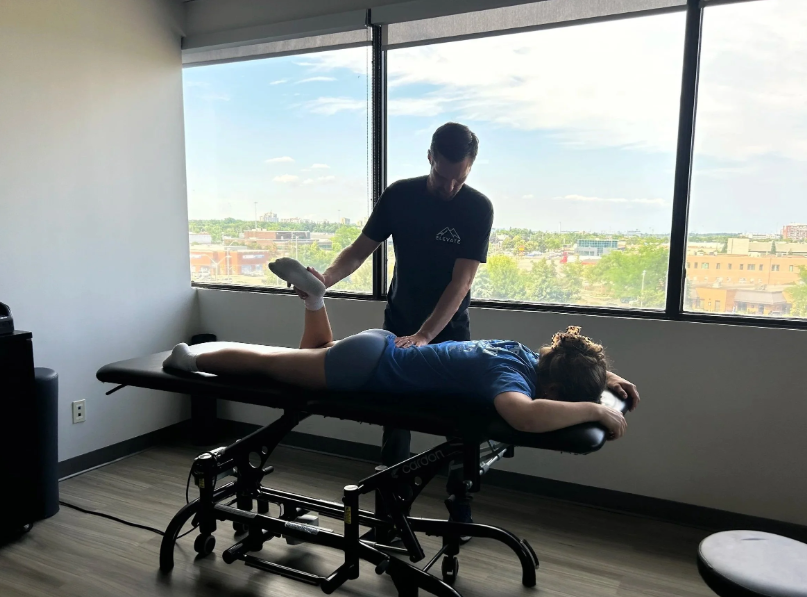
Pre-Workout Routines That Actually Prevent Injuries
While most lifters rush through generic stretches before hitting the weights, an evidence-based pre-workout routine can dramatically reduce your injury risk when structured correctly. Your warm-up should progress through three distinct phases: activation, mobility, and movement preparation.
Start with five minutes of light cardio to increase core temperature and blood flow. Follow with dynamic mobility exercises targeting your hips, shoulders, and thoracic spine. The areas are most vulnerable during strength training. Include leg swings, arm circles, and cat-cow stretches.
Next, incorporate prehabilitation movements like glute bridges, band pull-aparts, and dead bugs to activate stabilizing muscles. Finally, perform movement-specific patterns with bodyweight or light loads that mirror your planned exercises. This systematic approach to injury prevention primes your nervous system and prepares tissues for heavy loading.

Strength Patterns That Build Injury-Proof Movement
Beyond preparing your body for each workout, building long-term resilience requires mastering fundamental movement patterns that reinforce proper mechanics under load.
You’ll develop injury prevention by focusing on compound movements like squats, deadlifts, and overhead presses that train multiple muscle groups simultaneously. These functional movement patterns create muscle balance throughout your kinetic chain, preventing compensations that lead to injuries.
Prioritize core stability through exercises like planks, dead bugs, and Pallof presses. Your core acts as the foundation for all movement, transferring force efficiently between your upper and lower body. Include unilateral exercises like single-leg deadlifts and single-arm rows to address imbalances between sides.
This approach builds coordination and strength that translates directly to long-term training success, keeping you healthy and progressing consistently.

Daily Mobility Work For Bulletproof Joints
Although strength training builds powerful muscles, your joints need daily attention to maintain the mobility that keeps you moving pain-free for decades. Your joint health depends on consistent mobility work that addresses restrictions before they become limitations.
Daily mobility work prevents minor joint restrictions from becoming major movement limitations that could sideline your training for years.
Start each day with five minutes of dynamic stretching targeting your hips, shoulders, and ankles. These areas lose range of motion fastest and impact your entire kinetic chain. Follow strength sessions with foam rolling to release tension and restore tissue quality.
Include activation drills for your glutes and deep stabilizers twice daily. These small muscles maintain proper joint positioning during heavy lifts. Focus on hip circles, shoulder dislocations with bands, and ankle rotations.
End your day with static stretching to reset muscle length and promote recovery while you sleep.
Recovery Protocols That Keep You Training Consistently
Since your body adapts and grows during recovery periods rather than training sessions, your protocols between workouts determine whether you’ll progress consistently or plateau from accumulated fatigue.
Quality sleep drives tissue repair, especially for ligaments and tendons that recover more slowly than muscles. Aim for 7-9 hours nightly with consistent sleep-wake cycles.
Active recovery sessions using light movement maintain blood flow without adding stress. Walking, swimming, or gentle yoga helps flush metabolic waste while preserving mobility.
Soft tissue work through foam rolling or massage prevents adhesions that compromise posture and exercise technique. Focus on problem areas like hip flexors, thoracic spine, and calves.
Monitor training load and fatigue levels. If your exercise technique deteriorates or your motivation drops considerably, incorporate additional rest days. Consistent moderate training beats sporadic intense sessions that require extended recovery periods.