





Advanced analytics projected a narrow 27–24 Seahawks victory, and the biggest betting edges came from player props where playoff performance outpaced regular-season averages.
Now that Super Bowl 60 is officially in the books, bettors can look back and evaluate which strategies created real value, and which narratives the market mispriced.
The matchup between the Seattle Seahawks and the New England Patriots delivered exactly what sharp bettors anticipated. A tightly contested game defined by quarterback efficiency, defensive pressure, and key player prop performances that diverged from regular-season trends.
How to Spot Profitable Bets Before Lines Move
Successful Super Bowl betting has never been about reacting late. The most profitable bettors identified market inefficiencies early in the week, before public money reshaped the odds.
One of the clearest edges came from perception gaps. Seattle entered the game with explosive offensive metrics, yet public skepticism around consistency kept early spreads tighter than advanced efficiency models suggested.
Sharp bettors capitalized by:
- Monitoring early line movement for signs of public overreaction
- Identifying mismatches between playoff performance and season-long averages
- Acting quickly when defensive metrics lagged behind offensive headlines
Coaching adjustments also influenced valuation. Scheme tendencies, particularly defensive pressure packages, created exploitable prop opportunities before sportsbooks recalibrated.
The lesson is simple: markets adjust fast. The edge exists in the window between statistical reality and public narrative.
Quarterback Passing Totals
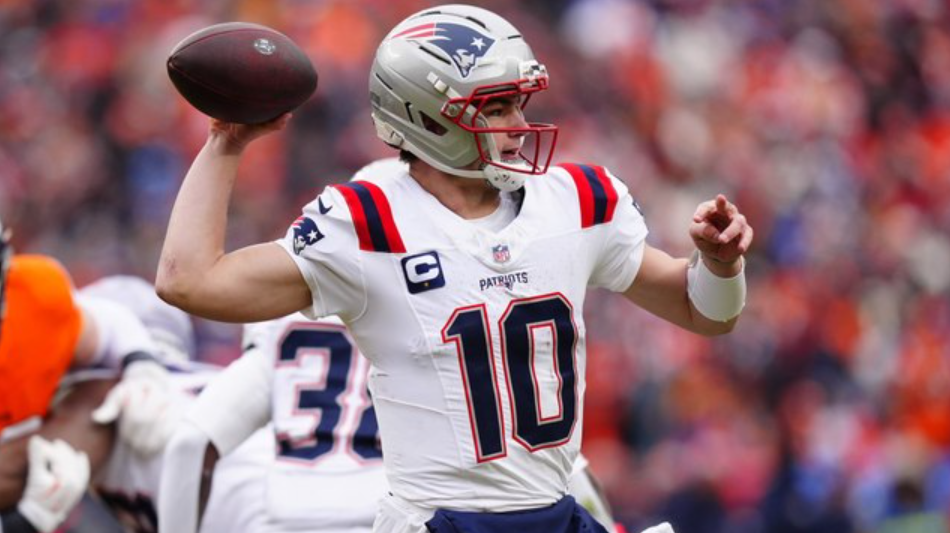
Drake Maye’s passing yardage prop stood out immediately. While his regular-season averages suggested moderate volume, playoff adjustments increased his designed movement and downfield attempts. Bettors who focused on situational usage rather than raw averages found value in his total yardage line.
On the other side, Sam Darnold’s passing efficiency under pressure became the critical variable. Advanced pressure-rate data showed clear regression under defensive duress, making correlated bets on passing totals and turnover-related markets attractive.
The key wasn’t guessing. It was understanding how defensive pressure metrics translated into quarterback output.
Kenneth Walker’s Rushing Yards
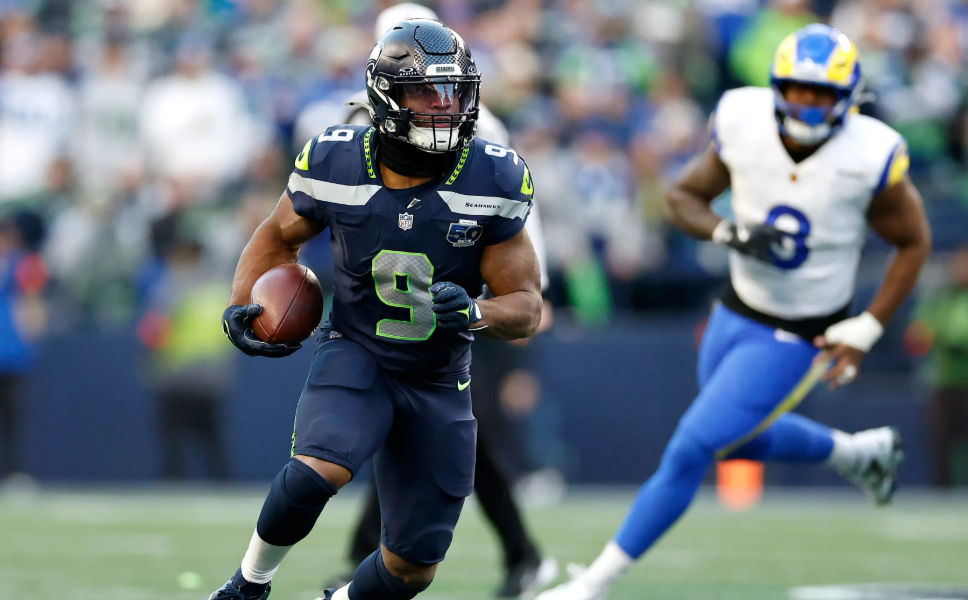
Kenneth Walker’s rushing prop provided one of the most actionable mismatches. His yards after contact (5.8 per attempt entering the game) suggested he could outperform a Patriots defensive front that ranked mid-tier in missed tackle rate during the postseason.
While public bettors leaned toward passing narratives, sharper money targeted Walker’s volume plus efficiency combination, especially in red-zone situations.
Receiving and Specialist Props
Jaxon Smith-Njigba’s playoff surge created a pricing inefficiency. Sportsbooks anchored his line to season-long targets rather than postseason usage trends, offering favorable over opportunities.
Kicker props also provided hidden value. With both teams demonstrating strong red-zone resistance at times during the playoffs, field goal attempts were projected higher than public expectations. Bettors who modeled stalled drives correctly found an edge in those markets.
Special teams yardage remained undervalued as well, particularly for dual-threat returners who influence field position more than box scores reflect.
Spread and Total Bets That Held Value
Beyond props, spread and total markets told their own story.
The Patriots entered as slight underdogs, and many sharp bettors identified that as market disrespect driven by offensive volatility narratives. New England’s ability to generate pressure and limit explosive plays made the spread tighter than casual projections suggested.
The total required more nuance.
Both defenses showed the ability to create turnovers, but offensive efficiency metrics pointed toward sustained drives rather than stalled possessions. Bettors who waited for slight market inflation found better numbers, particularly if totals drifted upward late due to public overconfidence in offensive fireworks.