





Combine fundamental speed mechanics with event-specific track and field drills to improve your track performance. To build good form and explosive power, begin with exercises that involve high knees, A-skips, and bounding. Next, include specific exercises such as tempo-based mechanics for middle-distance runners or block starts for sprinters.
Remember to incorporate power-building workouts like resistance sprints and weighted squat leaps. A well-planned 20-minute pre-workout regimen in the right order will optimize your gains and improve your race performance.
Five Fundamental Speed Mechanics Exercises for All Track Athletes
To build good mechanics, almost all great track athletes do particular technical drills. These fundamental exercises lower the chance of injury while enhancing sprinting technique.
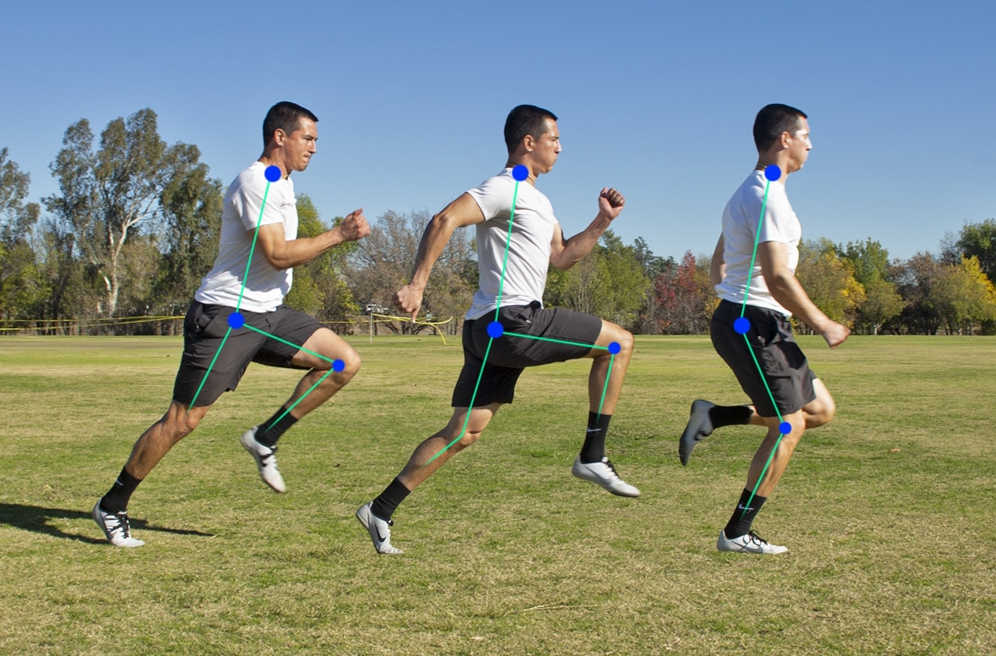
To highlight appropriate foot strike and knee drive during acceleration, begin with elevated knees. To improve stride efficiency and strengthen the crucial sprint posture required for top speeds, incorporate A-skips.
Include bounding exercises in your basic plyometric training to improve your explosive power and naturally lengthen your stride. The appropriate body angles necessary for efficient acceleration phases are the main emphasis of wall drills.
Lastly, use wickets or fast leg workouts to maximize stride frequency without compromising form. Do these sprint drills two to three times a week, progressively upping the ante as your technique gets better.

Technique Drills Tailored to Sprint, Middle Distance, and Long Distance
All athletes benefit from basic speed drills, but each track discipline calls for specific technique training that takes into account the particular requirements of various race distances.
Because track events require discipline-specific skills beyond overall speed development, tailored technique training is crucial.
Block practice and acceleration drills that improve first-step quickness are good places for sprinters to start when focusing on explosive sprints. Practice drive-phase mechanics at maximal effort using 10- to 30-meter bursts.
To balance speed and efficiency, middle-distance runners should use tempo-based running mechanics drills. Try doing 200-meter repetitions with controlled form at racing pace.
Agility and economy drills that maintain form under stress are essential for distance specialists. Use “fast-finish” long runs, in which you maintain your posture while gradually increasing your pace.
Make sure you’re honing the exact track and field skills required for your specialty by adjusting the volume and intensity of each workout to your particular event needs.
Power-Building Activities with Progressive Loading That Increase Explosive Speed
The basis for elite-level speed on the track is the development of explosive power. Progressive power-building workouts that result in faster racing times should be a part of your training.
Before moving on to more difficult exercises like depth jumps and single-leg plyometrics, start with weighted squat jumps and medicine ball tosses at a moderate intensity.
Resistance sprints with bands or sleds effectively develop acceleration strength. Start with lighter loads (about 10–15% of your bodyweight) and progressively increase the resistance as your power improves.
Hill sprints reinforce appropriate forward lean and force application while offering natural resistance. When it comes to sprint mechanics, don’t overlook core stabilization workouts like planks and rotational medicine ball tosses, which shift power from your lower to upper body. To avoid injury and optimize performance gains, always maintain correct form as resistance increases.

How to Create a 20-Minute Pre-Workout Routine with Drill Sequencing
By stimulating your neuromuscular system prior to rigorous training sessions, a well-planned 20-minute pre-workout regimen can significantly improve your track performance. After five minutes of gentle running, switch to five minutes of dynamic mobility exercises that focus on the hips and ankles.
Put your drills in a progressive order for the core ten minutes: Begin with fundamental exercises such as arm swing mechanics (30 seconds), then move on to high knees and butt kicks (2 minutes each). Use A-skips and B-skips to transition to increasingly difficult motions (2 minutes total). To integrate what you’ve activated, complete the ladder drills (3 minutes).
As you graduate from isolated movements to integrated athletic activities, this progression ensures that you’re methodically developing coordination and brain firing patterns.
Using Form Analysis Tools and Timing Drills to Measure Improvement
You’ll need trustworthy ways to monitor your success once you’ve set your drill regimen. With the ability to quantify sprint intervals down to hundredths of a second, modern timing devices such as electronic gates and smartphone apps may give you instant feedback on how your athletic performance has improved.
One of the most useful methods for form evaluation is still video analysis. To find inefficiencies in your arm action and stride mechanics, record your sprints and bounding workouts from several perspectives. Aim for symmetry, good foot placement, and optimal body alignment.
Maintain a conditioning log in which you record times as well as technical advancements, the quality of your recovery, and your subjective impressions of the drills. This comprehensive strategy ensures that you’re gaining the precise technique required for competitive success as well as quantifiable speed increases.